
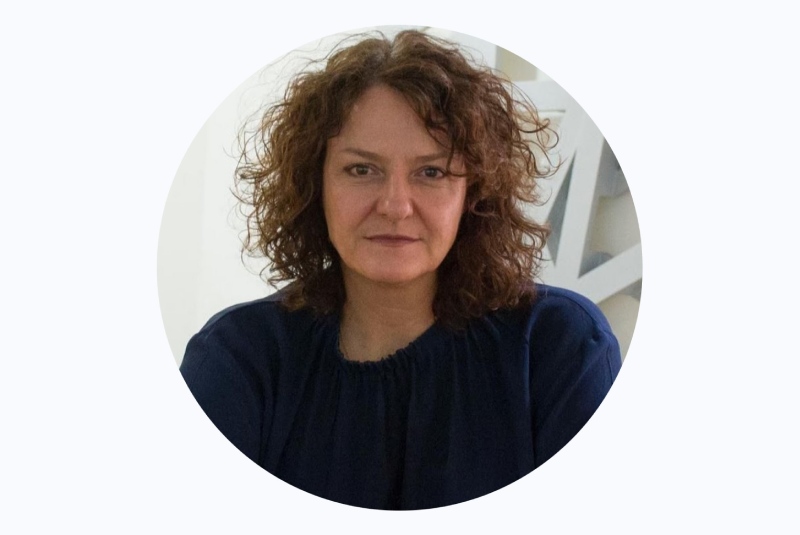
“Empowering women in advanced materials means ensuring equal access to learning, innovation platforms, and leadership opportunities that strengthen the future of our industry.” — Gabi BÖHM, Principal Architect, Premier Composite Technologies
1) The importance of diversity and inclusion in the composites and advanced materials sector, and how empowering women contributes to innovation, technical excellence, and long-term industry growth?
As an architect working in composites and advanced materials, I’ve seen first-hand how much our sector benefits when we move beyond the old assumption that it’s a “male-dominated” space and instead focus on capability, curiosity and collaboration. Our industry is clearly changing — more women are stepping into engineering, specification, research, and leadership roles, and that visibility really matters because it shows younger professionals there’s a place for them here. In a field where technical excellence depends on constantly keeping up with codes, standards, sustainability targets and new performance benchmarks, continuous learning is essential, and empowering women means ensuring equal access to that learning, to decision-making tables, and to innovation platforms. Diversity of thought genuinely drives innovation; when you combine experienced specialists with early-career talent with fresh ideas, new ways of thinking and a willingness to challenge convention, innovation really accelerates. For me, diversity is part of how we future-proof our industry and continue raising the bar technically and creatively.
2) How industry leaders can actively support mentorship, equitable opportunities, and the development of future women leaders in engineering, R&D, and manufacturing?
If we want long-term growth in this sector, leaders need to build genuinely inclusive cultures that attract and retain the best talents. That starts with visible mentorship, structured development pathways, and equal access to high-impact projects in engineering, R&D and manufacturing. It also means making women’s success stories visible, supporting cross-collaboration, and ensuring that early-career professionals are given both responsibility and guidance.