
-
In Collaboration With

MECAM WEBINAR 2026
Panel Discussion - The New Industrial Backbone: Advanced Materials Driving Resilience, Decarbonization & Competitive Advantage
Date: 28th April 2026
Time: 2 pm to 3 pm (Gulf Standard time)
Platform: Online
Sponsored By:

Advanced materials are no longer a downstream consideration—they are becoming a defining factor in how industries compete, decarbonize, and scale globally.
As supply chains fragment and energy systems transition, companies are re-evaluating not just where they operate, but what they build with—and why. Materials are now central to solving some of the most critical challenges facing global industry: extending asset life, enabling low-carbon infrastructure, and ensuring performance in increasingly complex and harsh environments.
At the same time, the convergence of materials science and digital technologies—including AI-driven design, predictive analytics, and digital twins—is accelerating innovation cycles and transforming lifecycle management.

Webinar Recording
Resilient supply chains drive value creation, not just risk mitigation
Sustainability is engineered at the material level, not added later
Regional ecosystems play a decisive role in scaling innovation globally
Neighbouring countries are rapidly gaining momentum, intensifying competition for investment, talent, and industrial positioning
From hydrogen infrastructure and offshore energy systems to next-generation mobility and climate-resilient infrastructure, advanced materials are becoming the backbone of the next industrial era.
This session will explore how global leaders are translating these shifts into strategy—and how different regions, including the Middle East, are positioning themselves to capture long-term advantage.





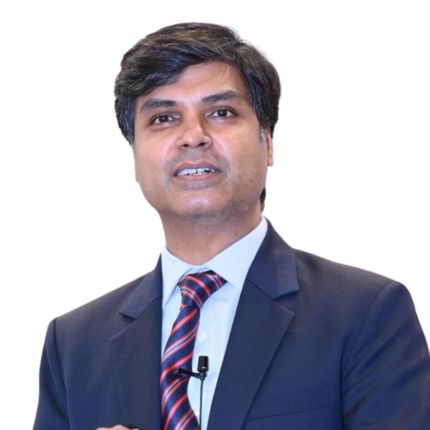
Specialist - GFRP reinforcement systems

The Shift from Cost Efficiency to Strategic Control
- Materials as a lever of industrial sovereignty and supply chain power
- Redesigning supply networks for resilience, proximity, and continuity
- How disruption is reshaping sourcing, pricing, and partnerships globally
- The rise of neighbouring countries as alternative manufacturing and sourcing hubs, accelerating regional realignment
Digital Meets Materials: A New Innovation Paradigm
- AI-driven material discovery and accelerated R&D cycles
- Digital twins enabling real-time performance and lifecycle optimization
- Data integration across design, production, and asset management
Engineering the Energy Transition
- Materials challenges in hydrogen, CCUS, and offshore renewables
- Designing for durability, safety, and efficiency in extreme conditions
- The critical role of materials in achieving net-zero infrastructure
- Regional competition intensifying as neighbouring countries invest aggressively in energy-transition materials and capabilities
From Innovation to Deployment at Scale
- Why many breakthroughs fail to industrialize—and how to fix it
- Role of industrial clusters, partnerships, and OEM ecosystems
- Regions as scaling platforms, not just markets
- How neighbouring countries are rapidly building ecosystems to capture scale advantages and attract global value chains
Sustainability as a Materials Challenge
- Lifecycle carbon, recyclability, and circularity constraints
- Thermosets vs thermoplastics: the next battleground
- Embedding sustainability into design, not compliance frameworks
Where the Next Demand Will Come From
- Energy systems (hydrogen, offshore, oil & gas transition)
- Infrastructure built for climate resilience and longevity
- Mobility transformation: lightweighting and new propulsion systems
- Shifting demand patterns as neighbouring countries industrialize faster and invest in next-generation infrastructure